





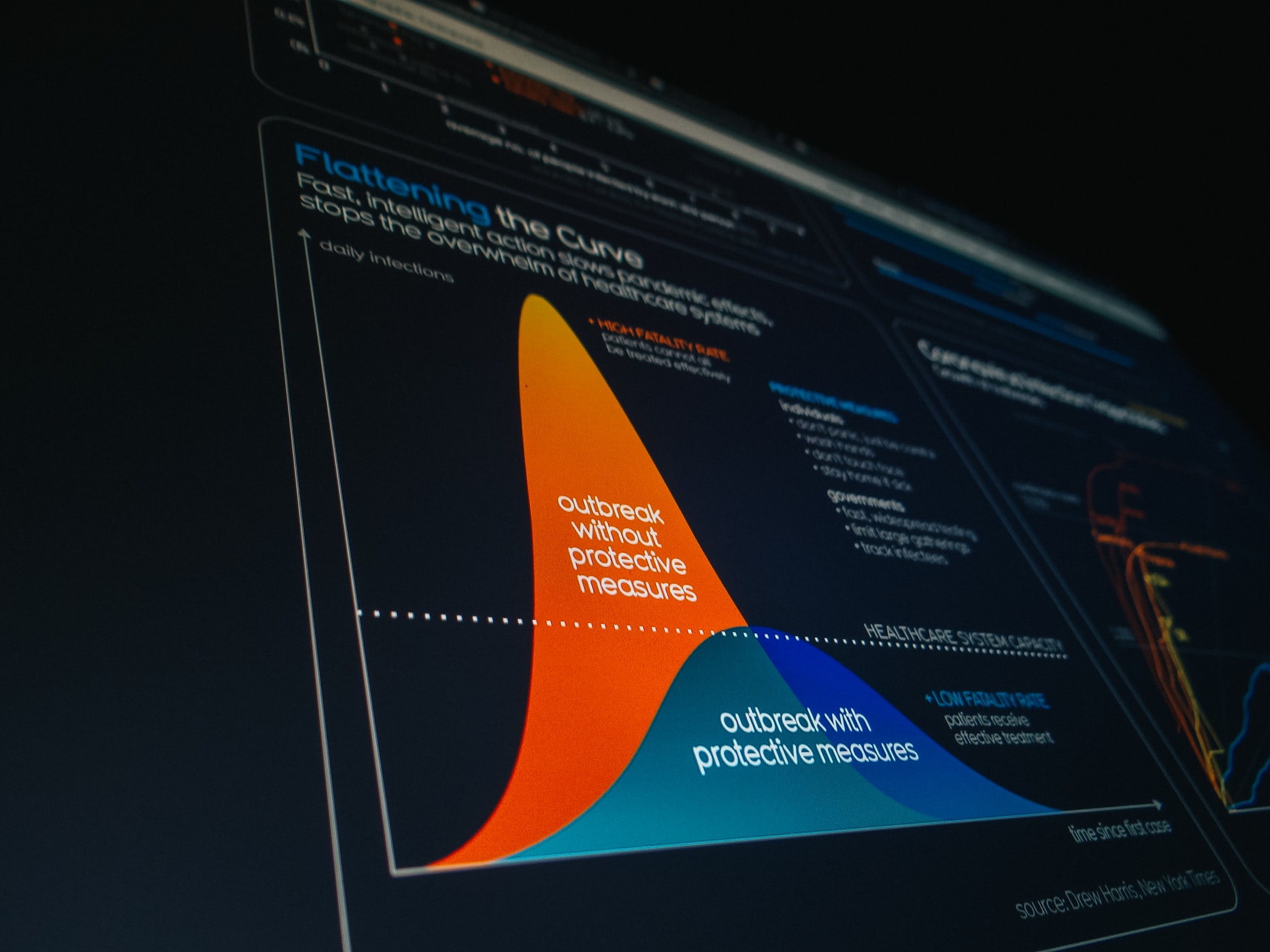
2020 has been a very dramatic and chaotic year. A huge part of this is due to the impact of COVID-19. It is not every day that you witness a 34.3 percent decrease current-dollar GDP. Just think of all that has occurred: from the economy to everyday social life, it has been a long (or first) time since we have encountered some of these experiences. There have been restrictions, shutdowns, limitations, bans, and so much more. As circumstances have changed significantly, society has changed to go along with it. Besides the obvious economic associations, all of these modifications bring a whole new outlook for the future of real estate.
The Pandemic Forces a Shift in Consumer Habits: Unbounded Geographical Options
One of the most prominent changes involves companies embracing and adopting strategies that enable them to continue their operations. A major proposition is the concept of being able to work from home. Globally, approximately 44 percent of companies historically did not allow any type of remote work. However, with the impact of the Coronavirus and social distancing, businesses have been more inclined to incorporate working from home into their accepted practices. About 60 percent of U.S employees have switched to remote work because of the pandemic. Companies are beginning to realize that there may not be as many negative ramifications to working at home as once perceived. Factors such as employee happiness or flexibility have been greatly enhanced. Overall, there has been some improvement in productivity, employee morale, and employee turnover.
Now as businesses are becoming more supportive (or tolerant) of having their employees work from home, that has had huge implications on the real estate market. Just imagine the threshold for buying property when an individual does not have to worry about getting a home next to their workplace. All the concentration on features such as traffic concerns would be redirected. The benefits of being in close proximity to the workplace would totally be negated. This means that one could now look at a wide range of geographic locations to purchase a home. This will likely also have a major impact on the rural versus urban decision. The common philosophy is that the majority of the jobs are in the city. Remote working totally disrupts this ideology.
On a similar note, the possibility of “Rural Rebound” becomes more likely. Statistics show that even as 1.9 million people moved out from the cities (between 2010 and 2019), the majority of them moved into the suburbs (outside the cities but not the countryside). The trend of people moving back to the suburbs was already ongoing before the virus hit. Now rural rebound refers to the movement towards rural areas. This is correlated with the fact that people are trying to stay away from the high-density areas. The pandemic simply acts as an accelerant with the movement towards suburbs and starting ground for rural areas.
The Extenuating Push Towards Less Face-to-Face Contact: Acceleration of technological dependency
One thing that the pandemic has made popular is the concept of “social distancing.” Even though it is a measure intended to prevent the spread of a contagious disease, the notion of social distancing will have a lasting impact even beyond this pandemic. Things will go back to normal, but the fear of the virus and contagion will stay in people’s consciousness, this idea that less contact is better for everyone will be more widely felt.
In relation to the real estate industry, that means a similar path. Things will go back to normal, but people will be thrusted towards less physical interactions. This could take place in a variety of ways: it could be the mechanization of showings such as advancing virtual tours, or it could be the decrease of physical documents (no more paper copies). It is not to say that we were not already heading in that direction. It’s generally accepted that people are always looking to save a trip or increase efficiency. The pandemic simply increases the necessity and development of digitalization altogether. It also speeds up the process.
With this in mind, it means that there is now limited desire for in-person interactions. People will only want to meet when it is absolutely necessary. For real estate agents, this means two important things: one is that technology and/or organization skills are going to be needed even more, and the other is that the communication effectiveness will need to increase. Agents will need to figure out how to develop good relationships with minimal physical interaction and strengthen the understanding of client wants/needs. Slowly but surely we are all adjusting and agents will continue to become more digitally savvy.
In the end, it is evident that the home-searching experience was disrupted by social distancing regulations and technological adoptions have made the experience more convenient. There is a reason why concepts like Matterport virtual tours are increasing in popularity. The precedent will be that if you do not keep up with some of the new nuances, you will definitely fall behind. Fortunately, Province and Domain is at the forefront of a technological evolution that is truly amazing. With access to some of the brightest engineers in the industry, we are leveraging technologies that redefine what the new normal is for the real estate industry beyond merely bridging gaps.
The Reassurance of Real Estate Continuity and Promise of Change
One thing that is for certain is that real estate plays an integral role in the United States economy. Whether that be commercial, construction, or residential. From wealth to one or a dwelling to another, the necessity of real estate is easily recognizable. When you hear about the Coronavirus, everyone quickly understands that there will be difficulties. The conception is that even after the pandemic passes, the real estate industry will be permanently changed.
Even as there will be a lot of change, the pandemic simply reassures how important and valuable the real estate industry is. On March 28, 2020, CISA—the U.S. Department of Homeland Security’s Cybersecurity and Infrastructure Security Agency, which functions as the nation’s risk adviser—clarified that residential real estate is an essential service. All jokes aside, even during a pandemic the real estate market continues to run. People are always going to need homes no matter what the situation is. Clearly economical aspects could have an impact on the market, but the industry will always be there.
The pandemic simply puts real estate into perspective. Even though the market is contingent upon many economical factors such as interest rates or demand, we know that industry itself will remain static. Supply could be short and fluctuate, but the industry will continue! Major restrictions could be placed, but the industry will continue! Millions of people could lose their jobs, but the industry will continue. The morale of the story is that situations and the environment surrounding the real estate industry will always be variable. In spite of that, the real estate industry will always be there and continue to persevere. No matter what the situation is, the objective will be to learn how to adapt. At Province and Domain, our mission is to effectively and optimally serve our clients and therefore, we are constantly and aggressively monitoring these trends so that we may dynamically adapt our strategies and services. We have employed the best data analytics and technological tools in the industry so that we may better serve our clients and enable our professional consultants to deliver unmatched results.
 This article is authored by a prominent, Province & Domain agent, Joshua Monteiro. To learn more about him, click here.